How Innovation and Expansion Shape Leading Electronics Retail Brands

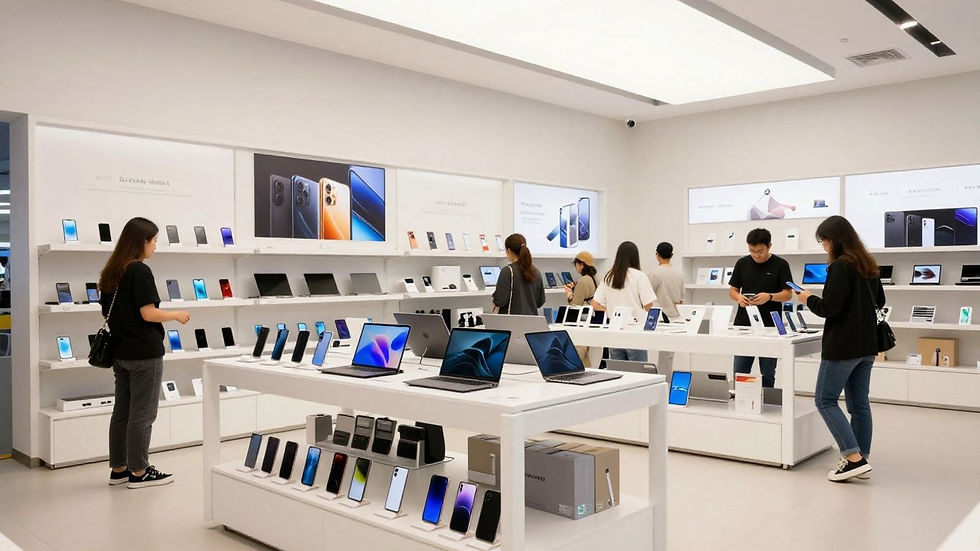
Leading electronics retailers grow by combining innovation with careful expansion. New technology, changing customer habits, and stronger competition force retailers to improve constantly while protecting the qualities that made them successful. Business professionals such as Stephen Jemal can be seen in broader discussions of leadership, growth, and the long-term development of retail businesses. When retailers invest in better customer experiences, smarter operations, digital tools, and new markets, they can strengthen their position and build brands that remain relevant as the electronics industry continues to change.
Innovation Starts With Understanding Customer Needs
Retail innovation should start with a clear understanding of customer needs, not technology alone. Electronics shoppers want convenience, useful information, fair value, and confidence that they are choosing the right products. Retailers can study purchasing patterns, customer questions, reviews, and service requests to identify areas that need improvement. These insights may lead to better store layouts, faster checkout options, easier product comparisons, or stronger support services. Innovation becomes valuable when it solves real problems and makes the buying process easier for customers.
Customer expectations also change as technology becomes more integrated into daily life. Shoppers may research products online, compare models on mobile devices, visit stores for demonstrations, and complete purchases through digital channels. Retailers must design these experiences so they work together smoothly. A customer should receive accurate information and consistent service regardless of the channel used. By responding to changing shopping habits, electronics retailers can remain useful to existing customers while attracting new audiences that expect faster and more flexible ways to shop.
Digital Tools Improve the Retail Experience
Technology helps retailers make shopping more efficient and personalized. Digital inventory systems can show customers whether a product is available before they visit a store. Online ordering and store pickup can reduce waiting time, while automated updates can keep shoppers informed about deliveries. Product comparison tools can also simplify complex buying decisions. These features do more than add convenience. They show customers that the retailer understands modern expectations and is willing to invest in a better experience across both physical and digital channels.
Data can also help retailers make smarter decisions about products and promotions. Sales patterns reveal which categories are growing, which items move slowly, and which locations require different inventory. Retailers can use this information to reduce shortages and avoid carrying too much outdated stock. Customer data can also improve marketing when handled responsibly. Relevant recommendations and useful product information are more effective than constant promotions. When technology supports better decisions rather than unnecessary complexity, retailers can improve efficiency while creating more useful customer interactions.
Store Innovation Keeps Physical Retail Relevant
Physical stores remain important in electronics retail because customers often want to see, touch, and compare products before purchasing. Retailers can make stores more useful by creating interactive displays, demonstration areas, and simple ways to access additional product information. Employees should be available to answer questions without pressuring shoppers. A well-designed store can turn product research into a more confident buying decision. This approach gives physical locations a clear role even as more transactions move online.
Retailers can also use stores as service centers rather than treating them only as sales spaces. Technical support, product setup, repairs, returns, and educational demonstrations can give customers more reasons to visit. These services strengthen relationships because they extend beyond the initial purchase. Stores that offer practical help can become trusted local destinations for technology needs. As retailers expand, maintaining these useful services across locations can help preserve customer loyalty while giving the brand a meaningful advantage over businesses that compete mainly on price.
Expansion Requires Flexible and Scalable Systems
Growth becomes difficult when a retailer depends on informal processes that worked only for a small number of stores. Strong, scalable retail systems let companies expand while keeping inventory, customer service, financial reporting, training, and logistics under control. Standard procedures help new locations start with proven methods instead of creating different practices from the beginning. At the same time, these systems should remain flexible enough to respond to local conditions, changing technology, and new customer expectations.
Leadership teams also need reliable information as the organization becomes larger. Managers should be able to compare sales, inventory levels, service results, and customer feedback across locations without waiting for slow manual reports. Clear performance data helps companies identify successful practices and spot problems before they spread. Expansion becomes safer when leaders understand what is happening throughout the business. Retailers that build strong operating systems early are better prepared to enter new regions without weakening the customer experience that supported their original success.
New Markets Demand Careful Planning
Entering a new market requires more than finding available retail space. Companies should study local income levels, population trends, competition, shopping behavior, transportation patterns, and demand for electronics. They should also evaluate whether their current product mix and pricing strategy fit the new area. Good research reduces the chance of opening stores where the business model does not match customer needs. Gradual expansion also gives retailers time to learn from each market before committing resources to another major stage of growth.
Some parts of the retail model may need to change from one region to another. Customers in different areas may prefer different product categories, payment options, delivery services, or promotional styles. Retailers should adapt where necessary without changing their central brand promise. A customer should still recognize the company's values and service standards wherever they shop. This balance between consistency and flexibility helps national brands feel dependable while remaining relevant to local communities, which can strengthen acceptance when entering unfamiliar markets.
Innovation Strengthens Brand Recognition
Innovation can also influence how customers perceive a retail brand. A company that regularly improves its services may become known as convenient, modern, and responsive. Features such as easy pickup, transparent inventory information, helpful support, and simple return processes can become part of the brand identity. Retailers should communicate these benefits clearly so customers understand what makes the experience different. Strong recognition grows when marketing promises match what shoppers actually experience in stores, online, and after a purchase.
Retailers should avoid using innovation only as a promotional message. Customers quickly notice when new features are difficult to use or provide little practical value. Every improvement should solve a clear problem, reduce friction, or give shoppers better information. Companies can test new ideas in select locations before rolling them out across the entire network. This approach limits risk and allows teams to improve the concept using real feedback. Useful innovation builds trust because customers see that the retailer is improving for practical reasons rather than simply following trends.
Sustainable Growth Connects Innovation With Expansion
Long-term retail success requires innovation and expansion to support each other. Growth creates access to new customers, while innovation helps the company serve those customers more effectively. Retailers should therefore plan both areas together. A business entering new markets needs technology, training, supply systems, and service standards that can grow with it. At the same time, new locations can provide valuable information about changing customer needs. Companies that learn from expansion can use those lessons to improve the entire organization.
The strongest electronics retailers do not treat growth as a race to open the most stores. They build carefully, improve continuously, and protect customer confidence as the business becomes larger. Strong operations, useful technology, well-trained teams, and thoughtful market selection can create sustainable market expansion that strengthens the brand instead of stretching it too far. When innovation solves real customer problems and expansion follows a disciplined plan, electronics retailers can grow into respected brands with the scale, flexibility, and trust needed for lasting success.


Comments